
Helpful tips for moving with pets
How I moved twice with my dog
Posted: September 13, 2017 by Cathy Miller
Helpful Tips for Moving with Pets
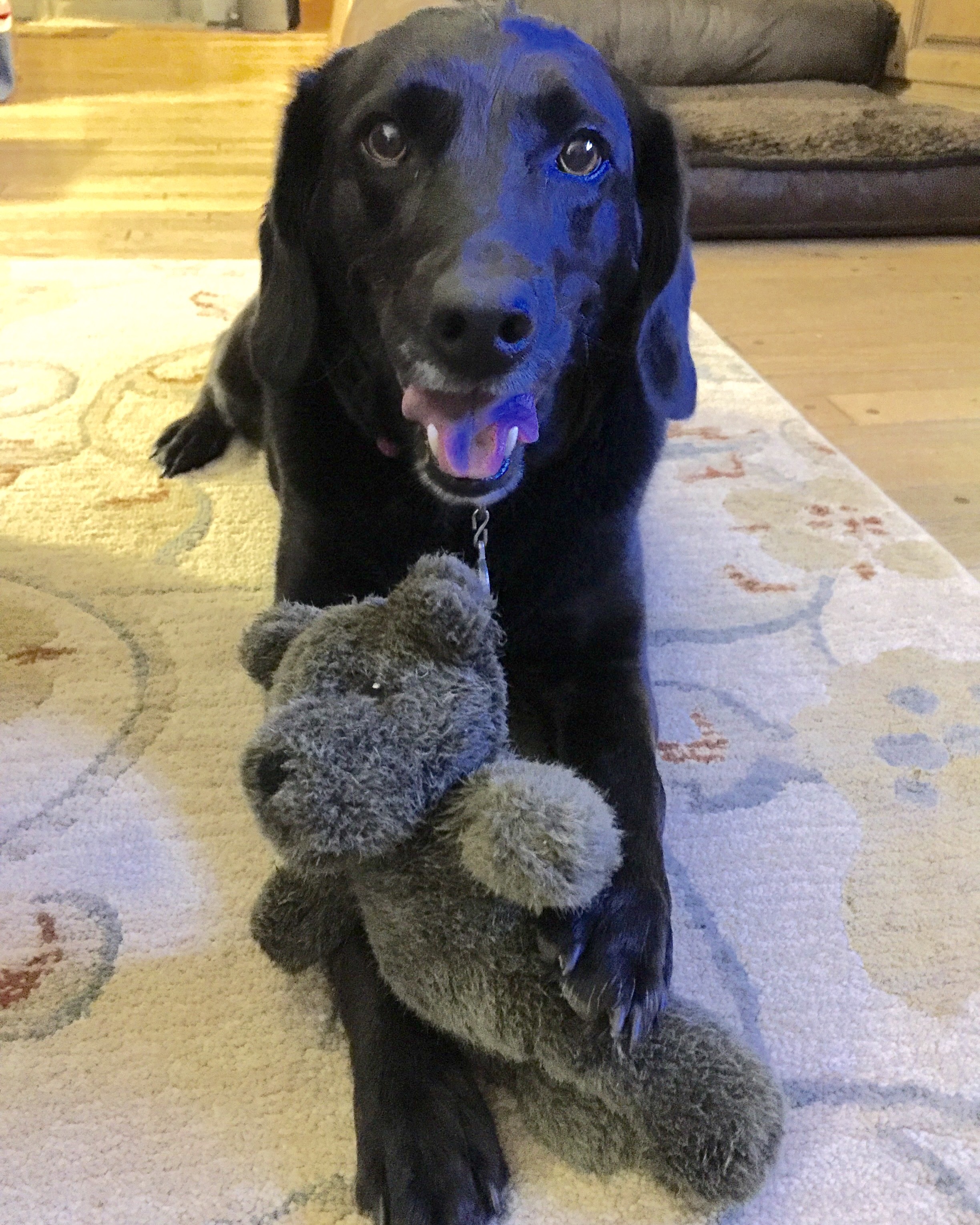
My dog, Bunny (pictured above with her favorite toy), has moved with me twice since I rescued her from the Kentucky Humane Society eight years ago. She is a pro at claiming her yard and alerting the squirrels there's a new sheriff in town. Today, she is the Queen of 12 acres and has made friends with horses and deer. She casts a cautious eye towards a neighbors gigantic, wandering pot belly pig.
Moving is a stressful process for any family, and that includes all the members of the family even your pets. They might not be able to tell what is going on around them, but they have the sense to feel that things are changing. As they are unable to communicate what they are feeling, you will have to take their feelings into consideration; and deal with them accordingly. All the unexpected activity, noise, and stress around them can put them on the edge.
- As a pet owner it is your responsibility to ensure that your pet(s) is well taken care during this stressful process. This is also part of the moving process, and here are a few tips that can help you get through the moving process with as little hassle as possible.
- When the moving process begins, the best way to reduce the stress your pet(s) are feeling is by keeping them in a quiet place. Which is in case you do not have a friend or family member who can take them for the day. Getting them out of the action is a great idea, but if that is not an option; try to keep them out of the main rooms.
- Make sure they are comfortable and well fed, and try to keep up with their daily routine as much as possible. So even after the moving process if over they have a set routine.
- Start by preparing an overnight bag for your pet(s), and make sure it contains food, toys, and other tools that will help them stay comfortable during the first few days of the move.
- If you are moving to another area, you need to inform your vet; so you can take along any medical records and prescriptions that are required. Your current vet might even be able to recommend another vet in the new neighborhood.
- It is important to move them with you in your personal vehicle. If your pet(s) is used to riding with you, this should be a smooth process. For pet(s) who are not comfortable with car rides, use comfortable blankets and toys to make them feel more comfortable.
- Keep in mind that that your pet(s) do not start running around once out, as they can easily get lost in the new area. Make sure they are securely in their carrier or leashed, until you are in your new home. It will take your pet(s) a few days to adjust to the new atmosphere. Let them explore the new house, and when going outside make sure they are secure.
- Moving your pet(s) should be the last thing you do, so try to set up as much as possible; even if you can only manage one room. So when you introduce your pet(s) to this new home, they can start the adjusting process from that single room. Similarly, as humans pet(s) need to be comfortable too. So make sure they have their toys and regular things set up, so they can feel at home.
- Once you have moved you need to update their microchip or tags to your new address. So in the unfortunate event of them being lost, you are able to track them down.
- Get them started on their new routine as soon as possible, as it will make them feel comfortable and give them a sense of settling.